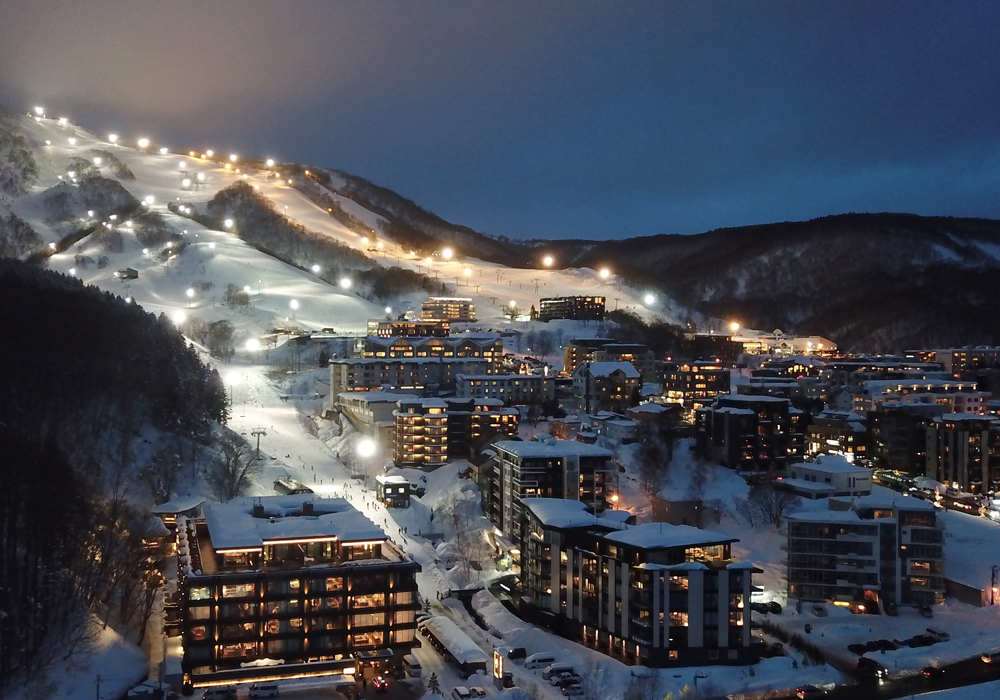
Traditionally, these businesses rely heavily on the winter ski season, which makes them vulnerable to climate change, unpredictable weather, and economic fluctuations.
As snowfall becomes less dependable in some regions and competitors diversify their offerings, numerous resorts find themselves struggling to stay profitable.
The Problem: Over-Reliance on the Ski Season
Most ski resorts operate on a seasonal basis, generating the bulk of their revenue during winter months. This narrow focus leaves them exposed to seasonal downturns.
A Clear Example: The Struggles of Mountain Peak Ski Resort
Mountain Peak Ski Resort, once a popular winter destination, is now grappling with declining visitors and financial losses. The resort's entire business model was built around the winter ski season, offering limited activities during off-season months. As snowfall became inconsistent, visitor numbers dwindled, and revenues plummeted. Efforts to attract summer tourists with basic hiking trails and bike rentals proved insufficient as they failed to differentiate the resort in a crowded tourism market.
This traditional approach kept the resort dependent on unpredictable weather patterns, and without diversification, it began facing closure risks.
A Polymathic Solution:
Addressing the crisis requires a holistic, polymathic approach—integrating multiple disciplines such as innovation, environmental science, technology, community engagement, and marketing. Here are strategic ways to revitalize struggling ski resorts:
1. Diversify Revenue Streams
Transform the resort into a year-round destination by offering activities beyond skiing:
Mountain biking, zip-lining, and hiking tours
Wellness retreats and yoga workshops
Cultural festivals and events
Example: Whistler Blackcomb expanded its natural advantages by developing summer activities, which now account for a significant portion of its revenue, reducing dependence on winter snow.
2. Embrace Technology
Leverage cutting-edge technology to enhance guest experience and operational efficiency:
Implement AI-powered booking systems and personalized marketing
Use virtual reality (VR) tours to showcase the resort remotely
Deploy IoT (Internet of Things) infrastructure for smart resort management
3. Invest in Sustainability
Address environmental concerns and climate change impacts:
Use renewable energy sources
Promote eco-friendly transportation and infrastructure
Collaborate with environmental scientists for sustainable development
Example: Les Deux Alpes in France has committed to renewable energy and eco-conscious practices to ensure long-term viability.
4. Foster Community and Local Partnerships
Build authentic connections with local residents and artisans:
Organize local culture festivals and markets
Partner with local farms, craft artisans, and community groups
Create programs that benefit both tourists and residents
5. Improve Accessibility and Market Outreach
Make the resort more appealing through flexible pricing, marketing, and inclusivity:
Offer off-peak discounts and family-friendly packages
Use digital marketing and social media campaigns
Enhance accessibility features to attract diverse visitors
6. Continuous Innovation Through Data
Adopt data analytics to monitor trends and adapt strategies:
Gather and analyze guest feedback
Use predictive analytics to tailor experiences
Maintain flexibility in offerings based on feedback
Many ski resorts are at a crossroads—either adapt through innovative, multidisciplinary strategies or risk becoming obsolete.
The key lies in broadening their scope beyond just the winter season, integrating sustainable practices, leveraging technology, and fostering community engagement.
By adopting a polymathic approach, ski resorts can create resilient, sustainable businesses that flourish year-round, attract diverse visitors, and remain competitive despite environmental and economic challenges.
Other examples of successful transformation of winter resorts.
Zermatt, Switzerland – Combining Skiing with Alpine Adventures and Wellness
Challenge: Once solely a winter skiing destination, Zermatt faced similar seasonal dependency issues.
Diversification Strategy:
Developed summer attractions such as glacier hiking, mountain climbing, and scenic helicopter tours.
Invested heavily in wellness and spa retreats to attract visitors seeking relaxation and health-focused experiences.
Promoted eco-tourism and sustainable mountain tourism, attracting environmentally conscious travelers.
Outcome: Zermatt now boasts a thriving summer tourism season, with visitors coming for outdoor adventures and wellness retreats, significantly boosting year-round revenue.
Aspen, Colorado – From Ski Capitol to Cultural and Adventure Hub
Challenge: Heavy reliance on winter ski traffic created vulnerability during bad weather seasons.
Diversification Strategy:
Expanded arts and culture scene, hosting world-renowned music, art, and film festivals.
Developed adventure activities such as mountain biking, zip-lining, and golf courses.
Created luxury accommodations, fine dining, and shopping experiences that appeal during all seasons.
Outcome: Aspen’s reputation as a cultural hotspot and adventure destination has led to sustained visitation outside of ski season, making it a year-round luxury resort.
Niseko, Japan – From Snow Resort to All-Season Mountain Retreat
Challenge: Heavy seasonal dependence and competition from other Asian ski destinations.
Diversification Strategy:
Built hot springs (onsen) and spa facilities to attract health and wellness travelers.
Promoted summer farm-to-table experiences, hiking, and mountain biking.
Developed international marketing campaigns targeting tourists from Asia, Europe, and North America.
Outcome: Niseko’s transformation into an all-season mountain resort has resulted in increased international visitors, economic resilience, and a broader customer base.